What is the future for timber construction in urban environments?
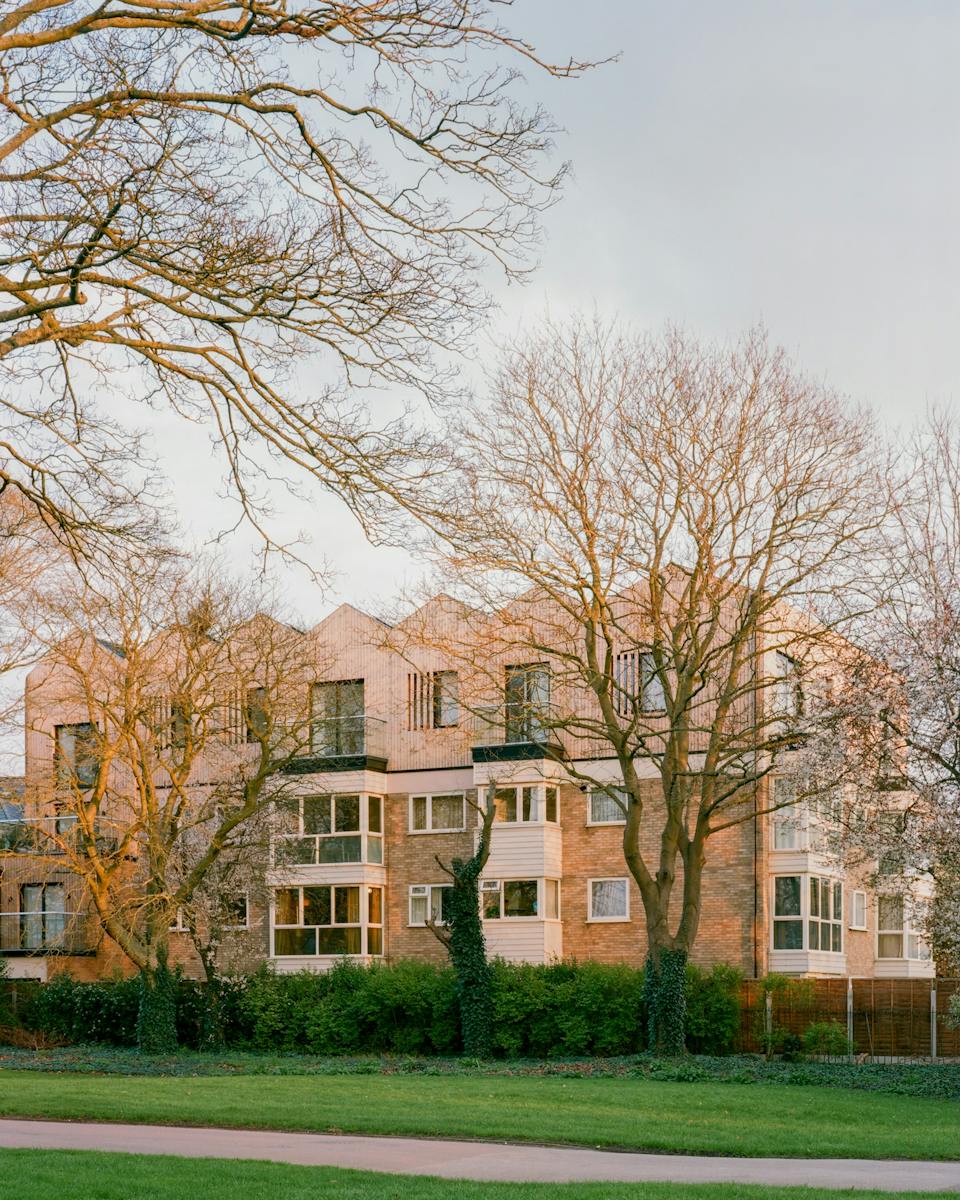
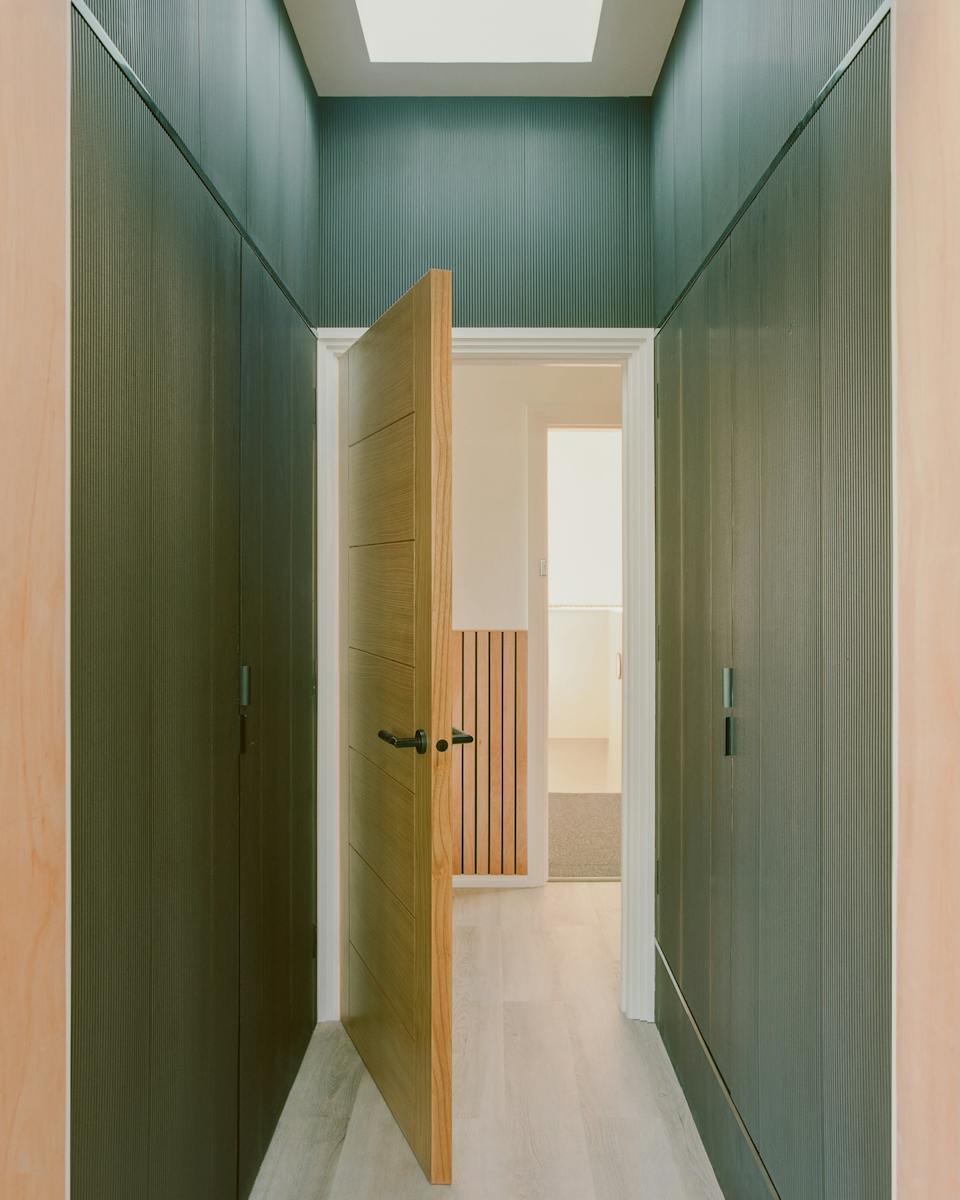
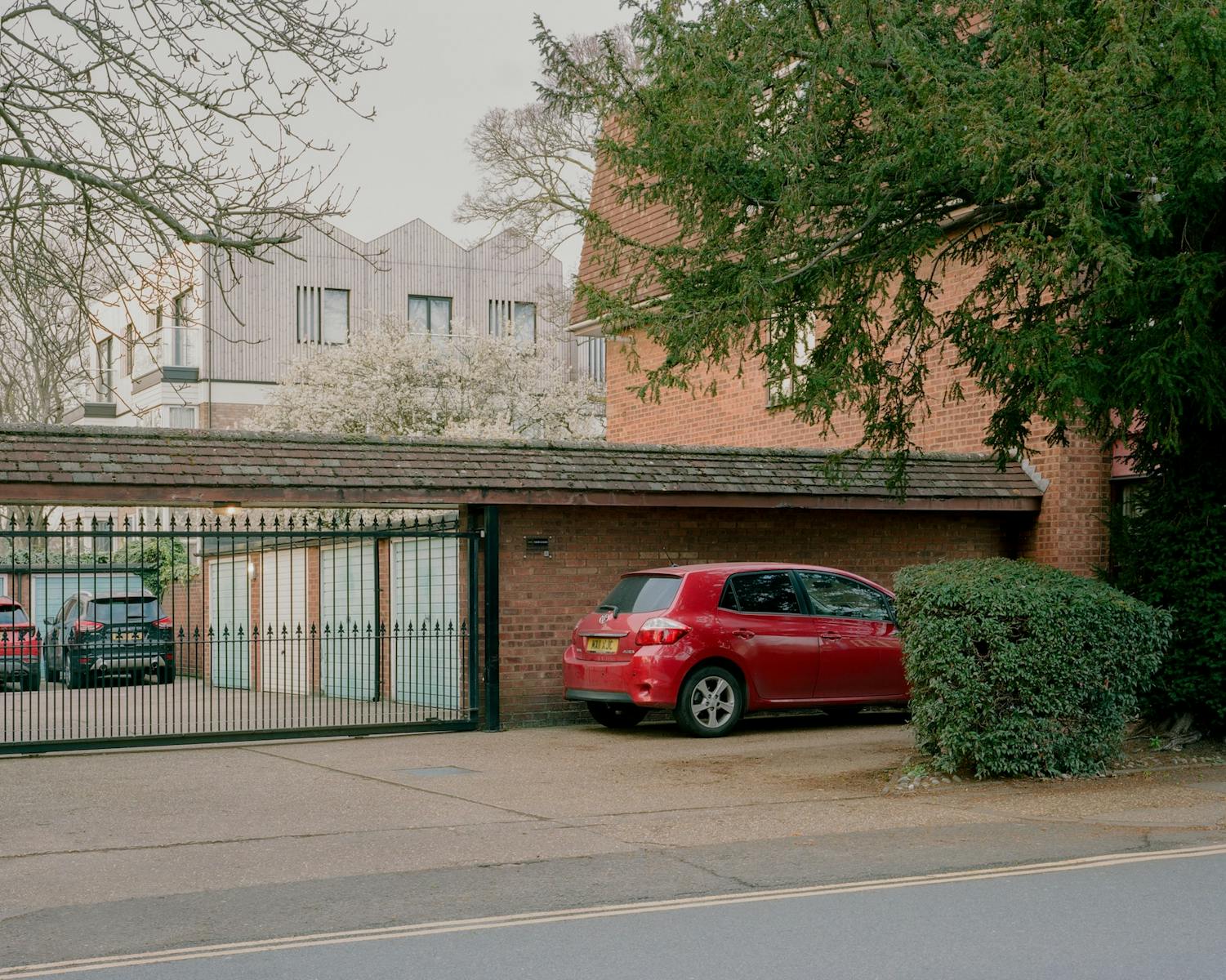
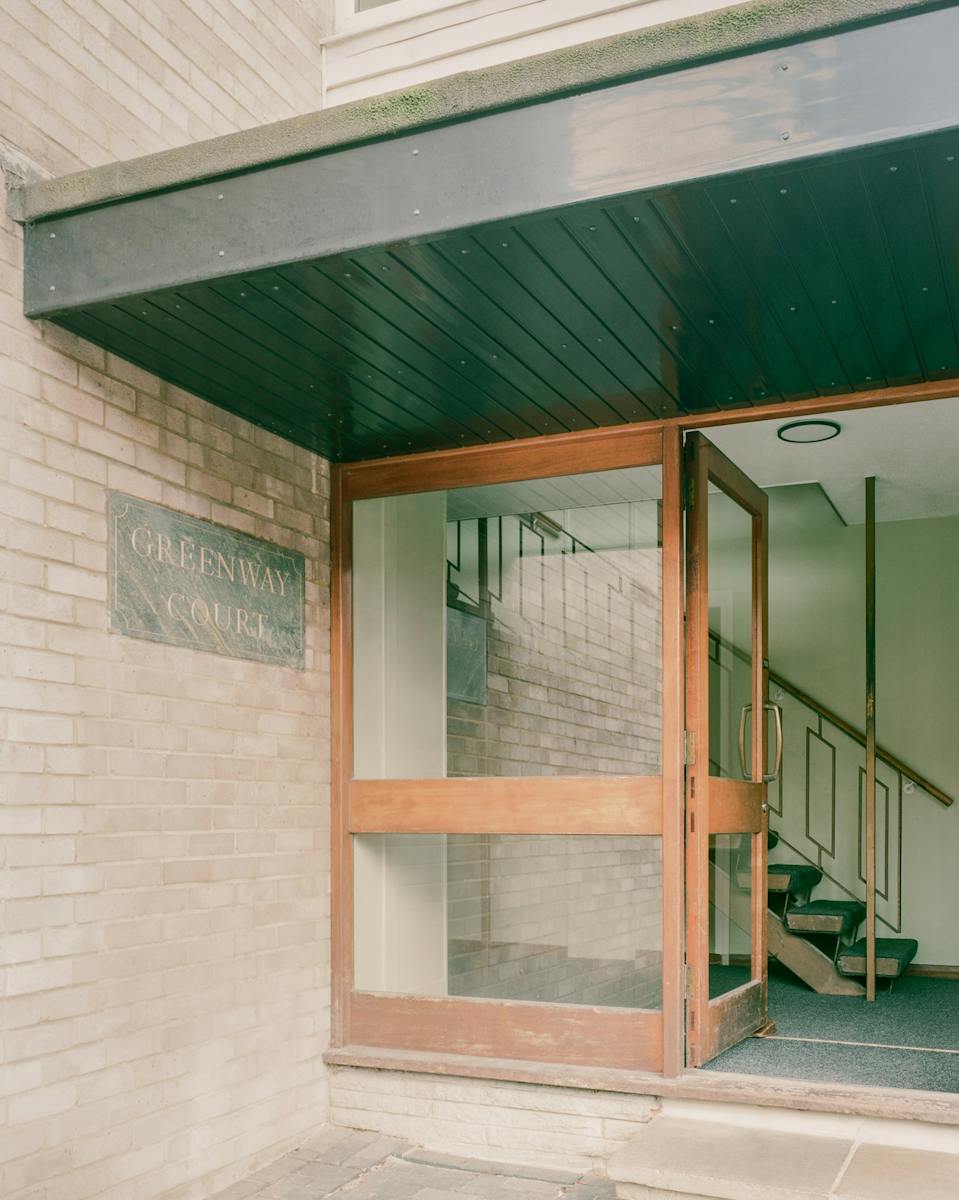
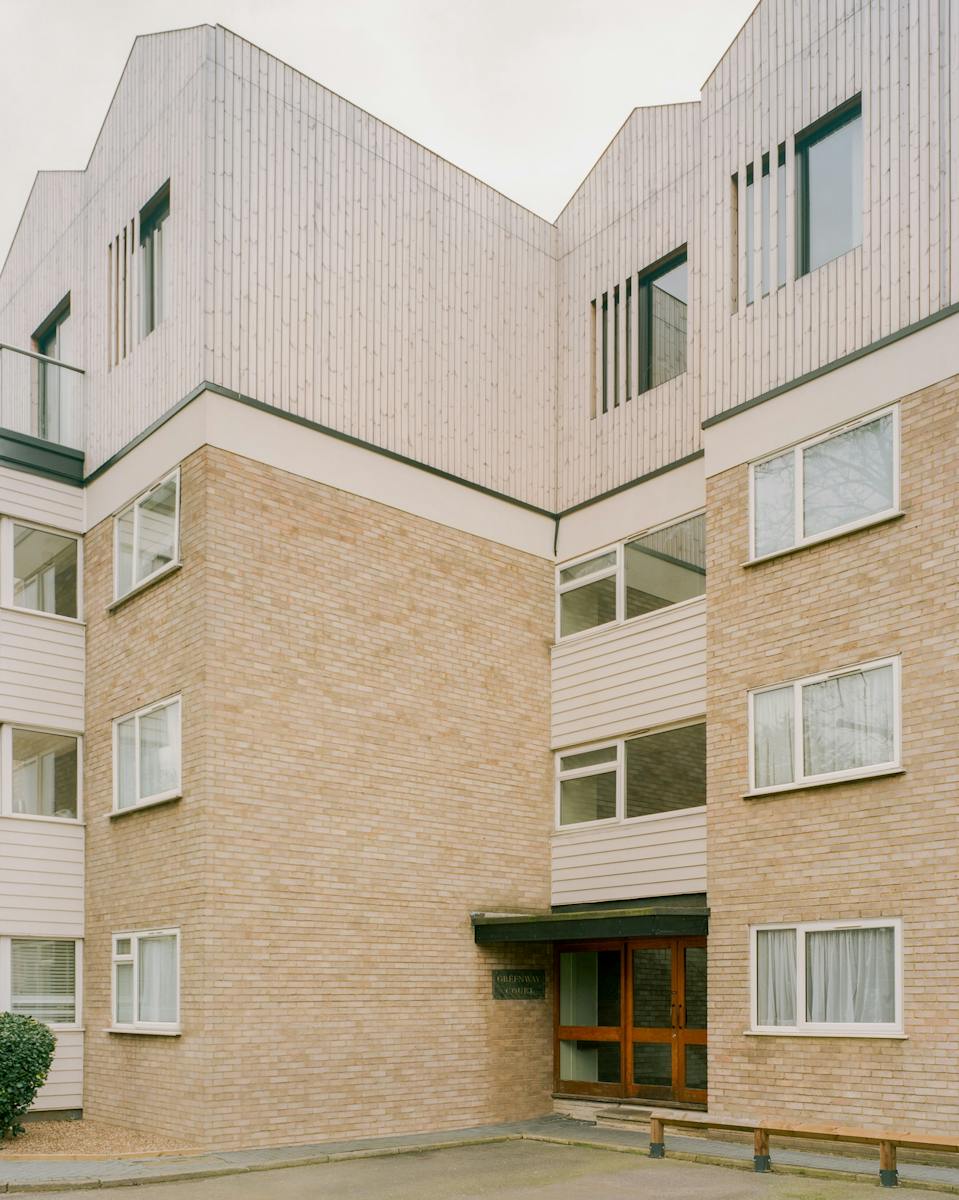
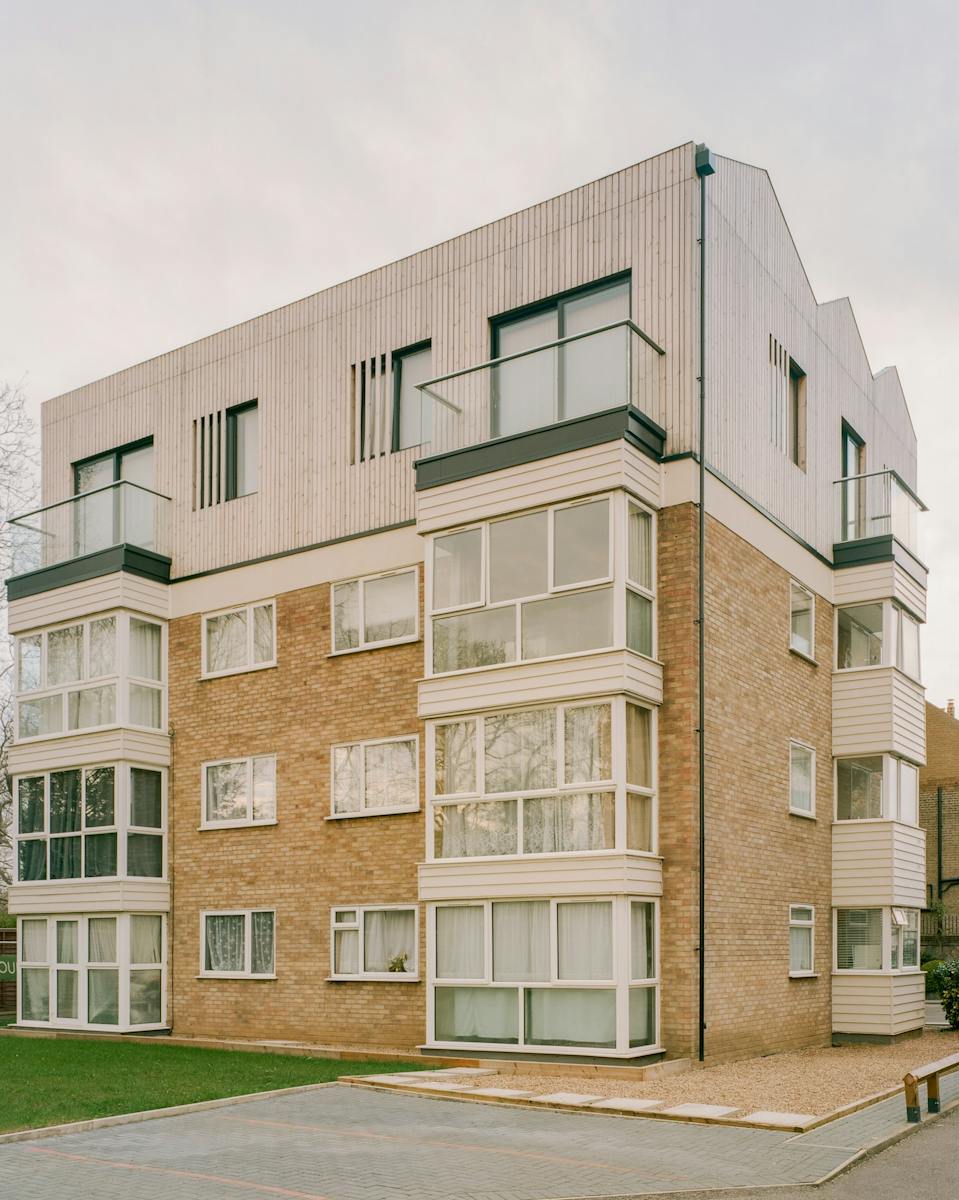
This project on the edge of Valentine’s Park in Illford, East London evolved out of a seemingly everyday brief: to extend an existing 1970s brick-built residential block. With a push to minimise embodied carbon in construction and to reduce operation carbon in use, all materials and building systems, were assessed in line with our sustainability goals.
'Our client had an ambitious brief to challenge the status quo. We hope it will become an exemplar for the borough'
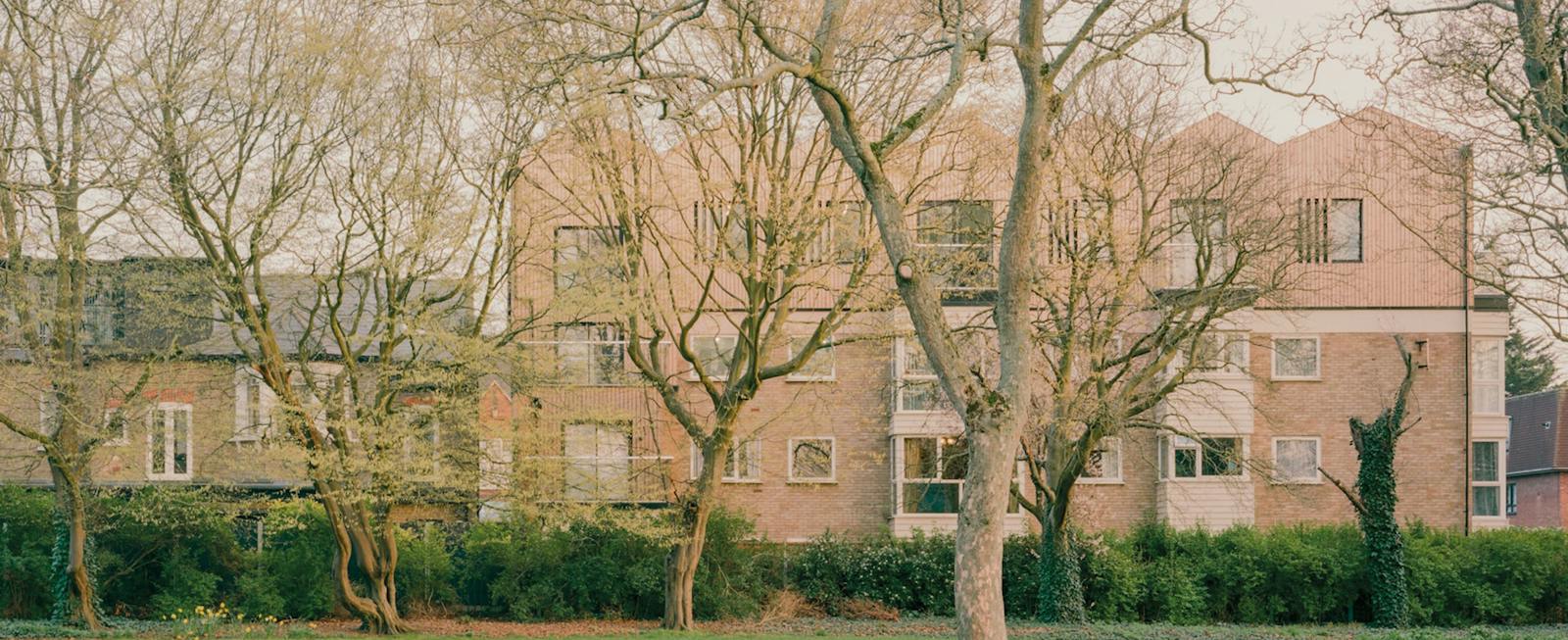
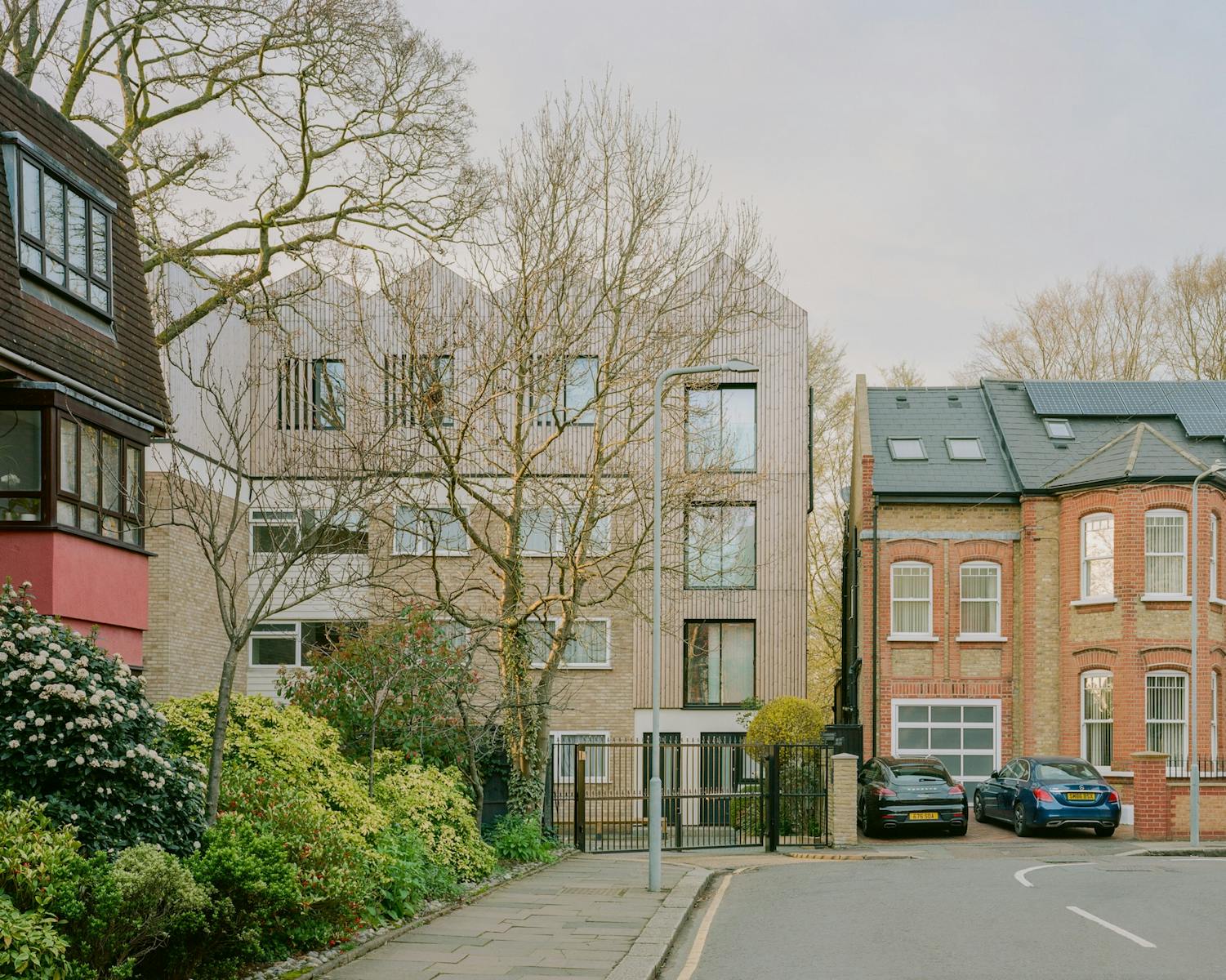
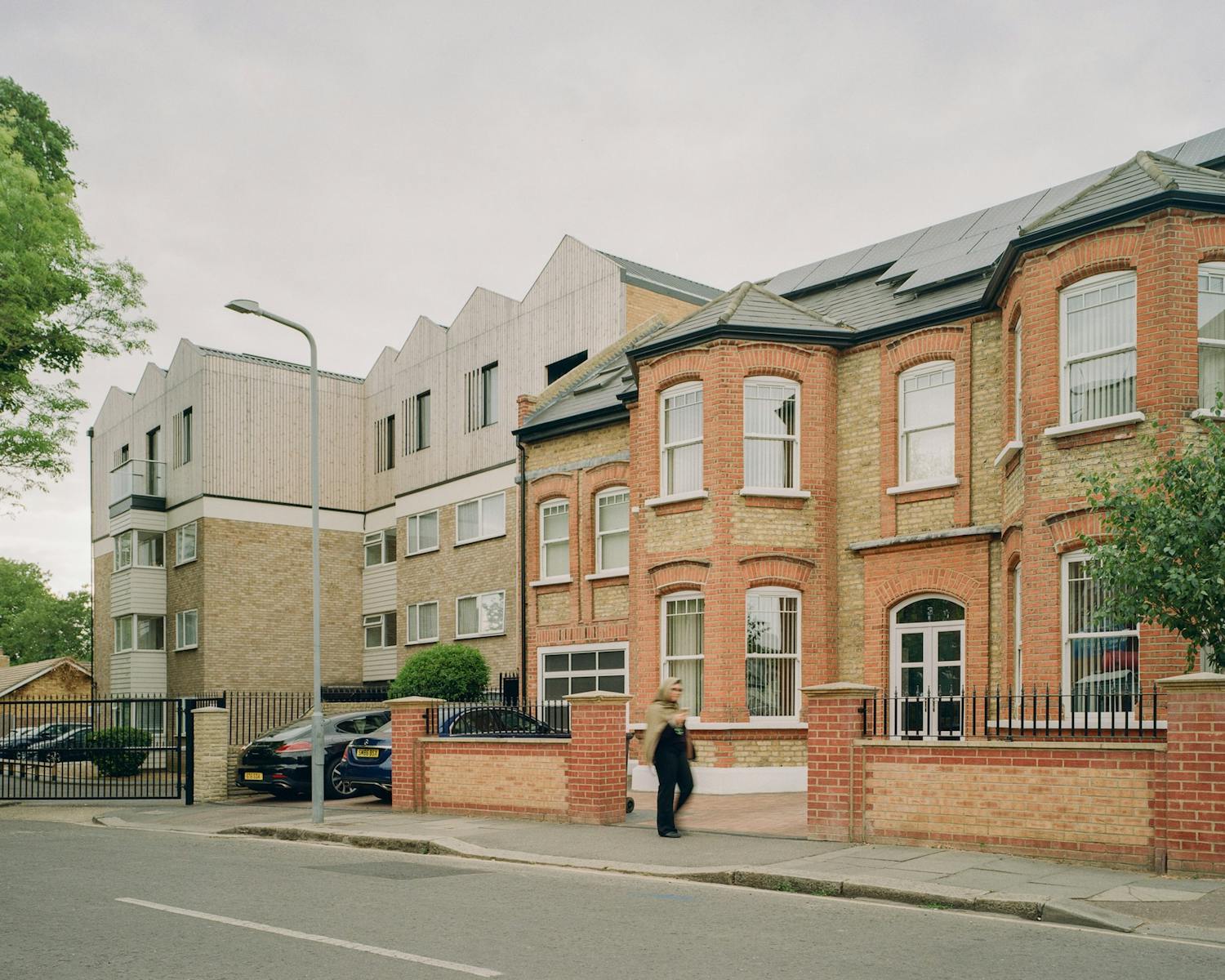
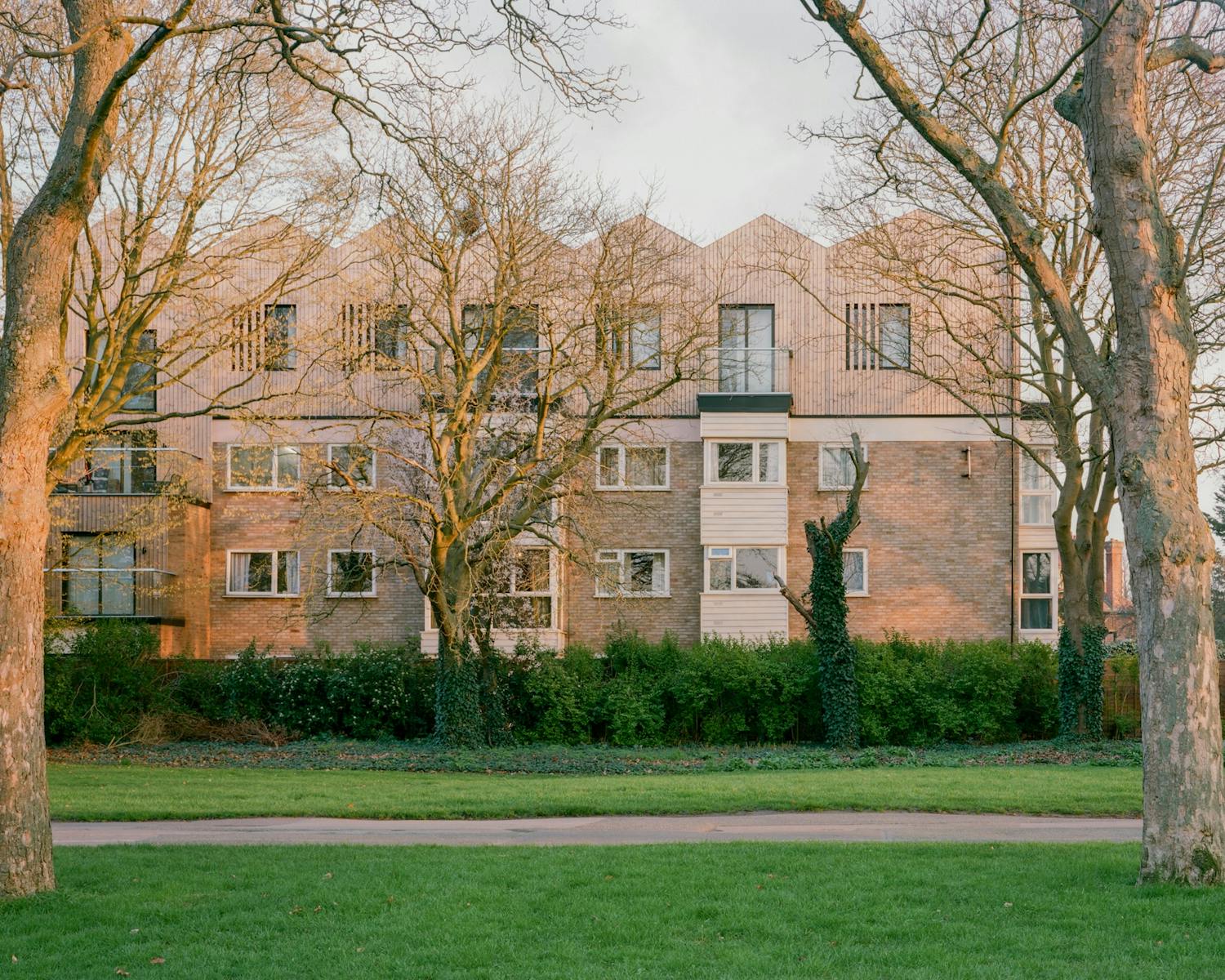
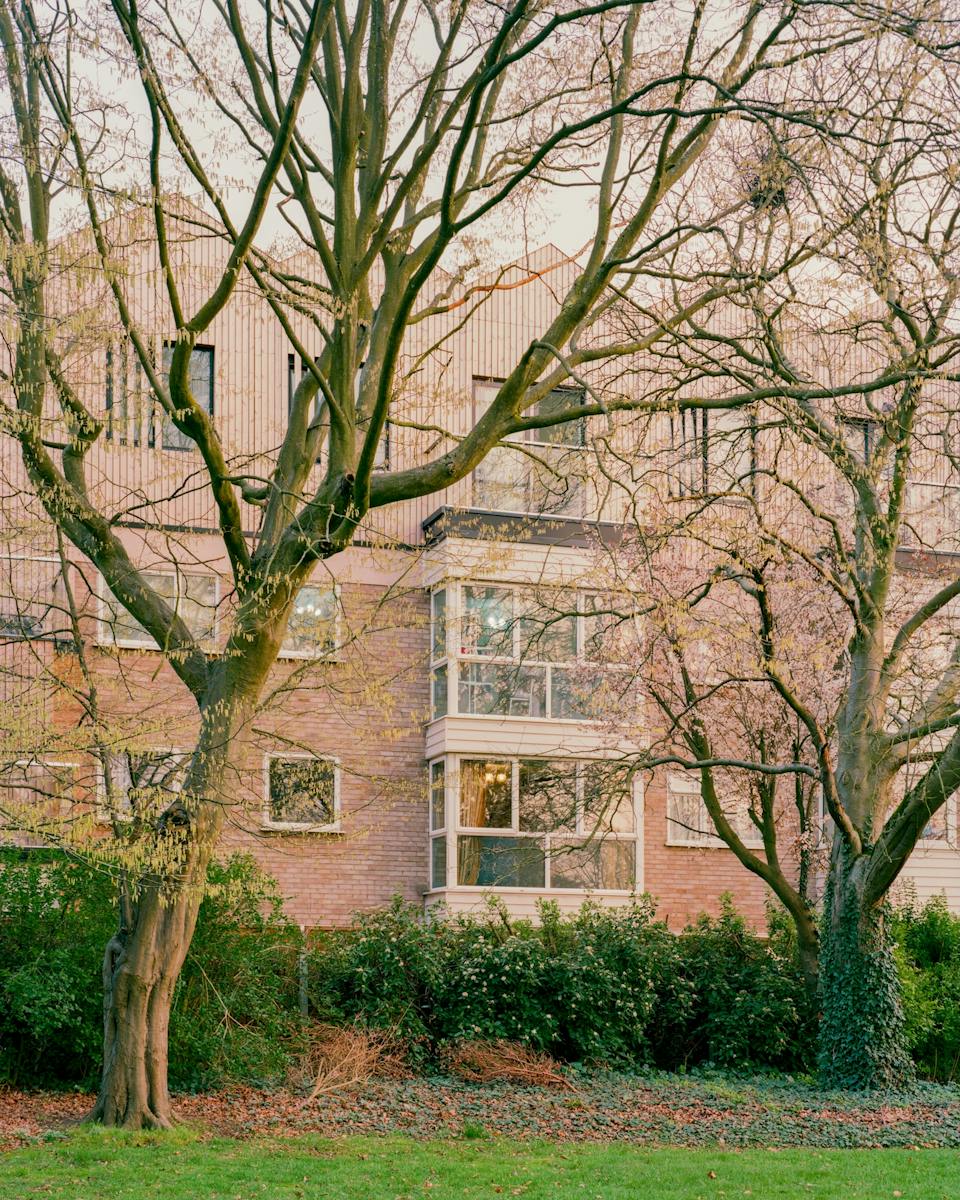
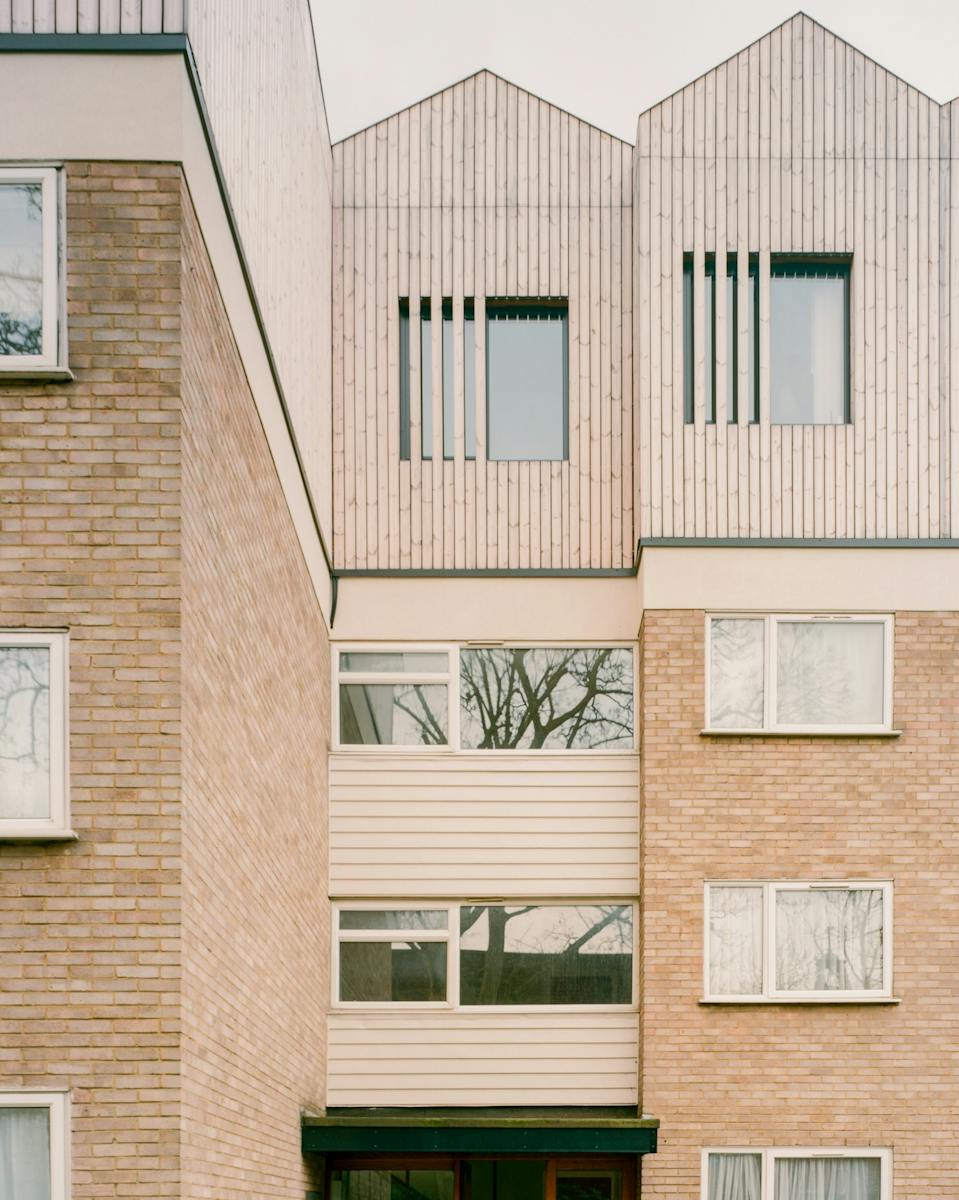
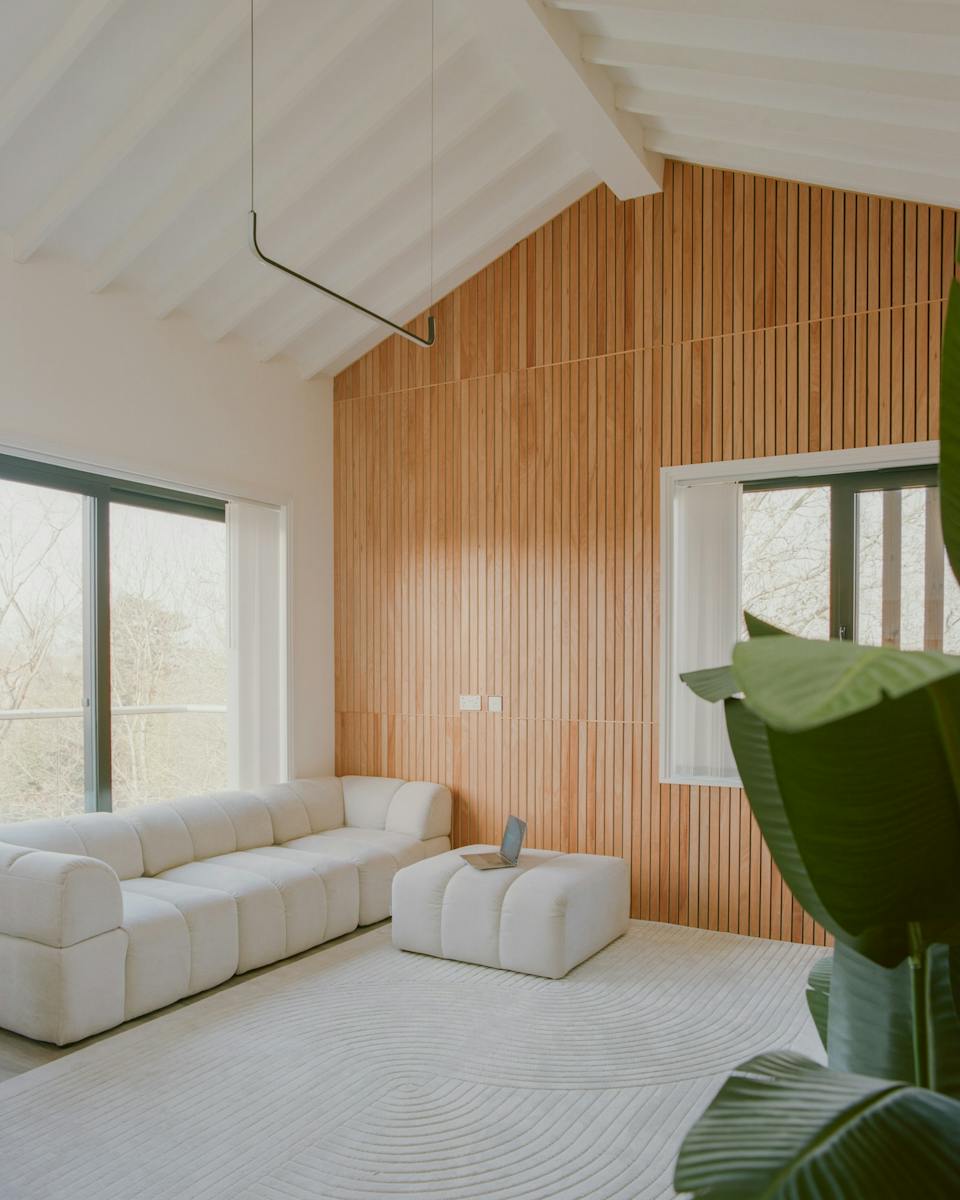
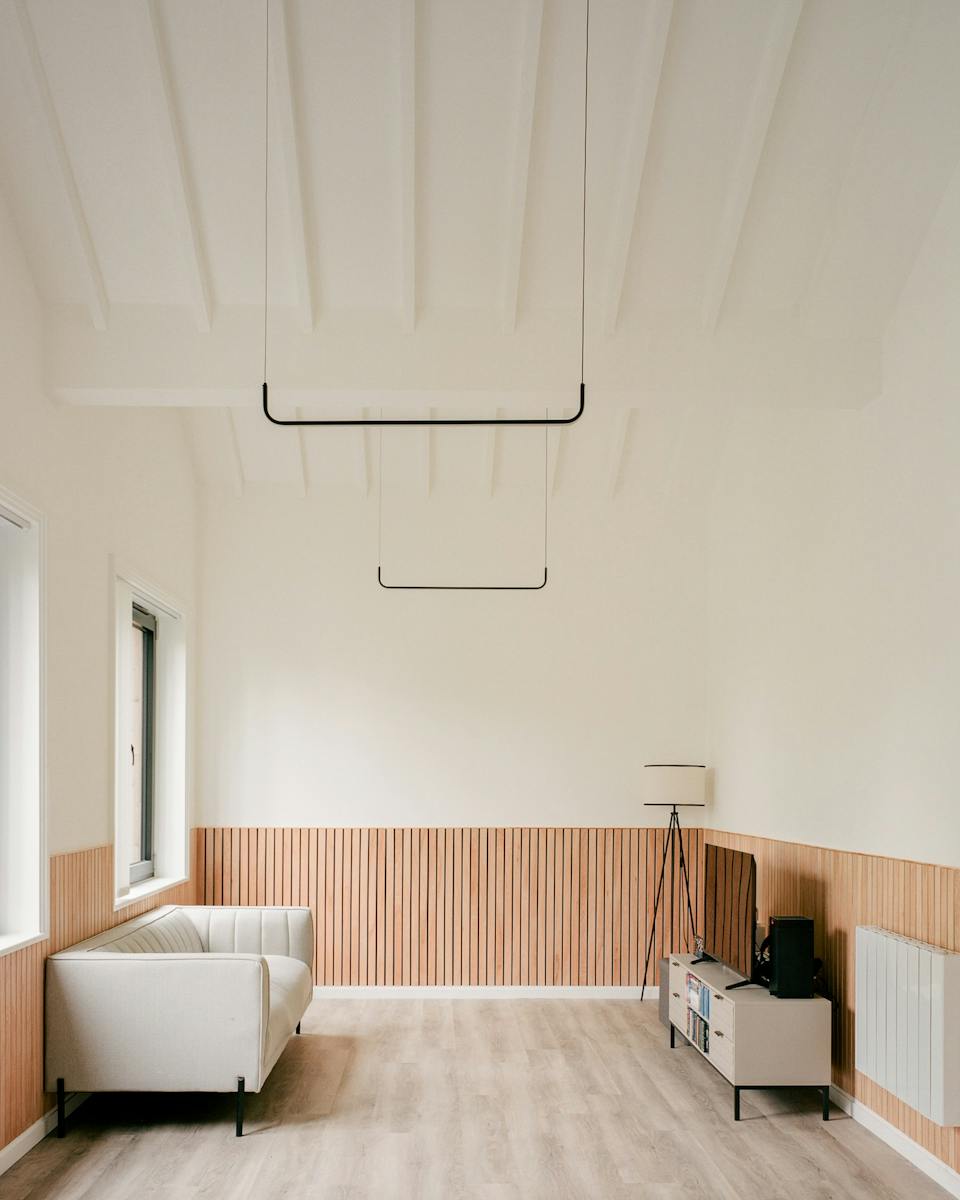
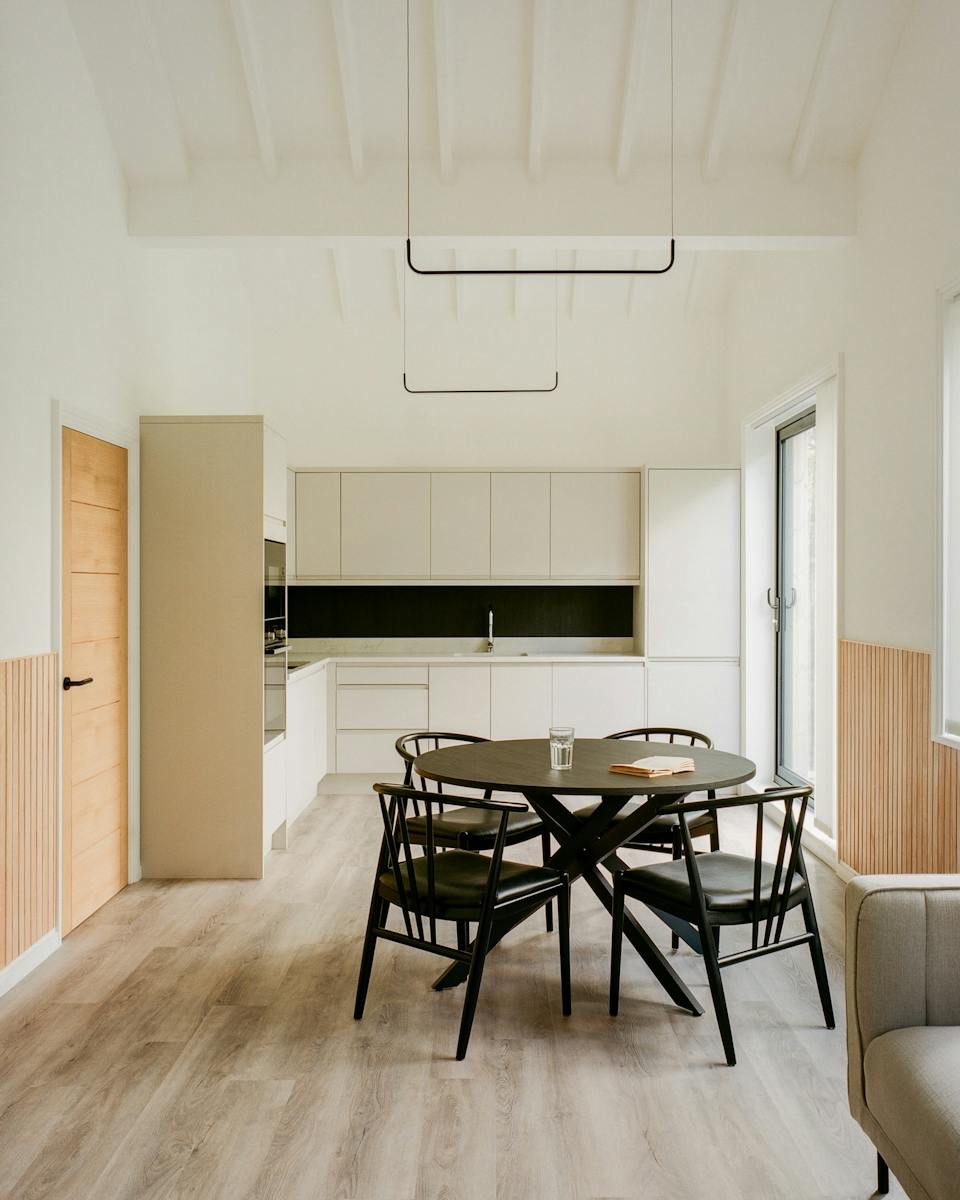
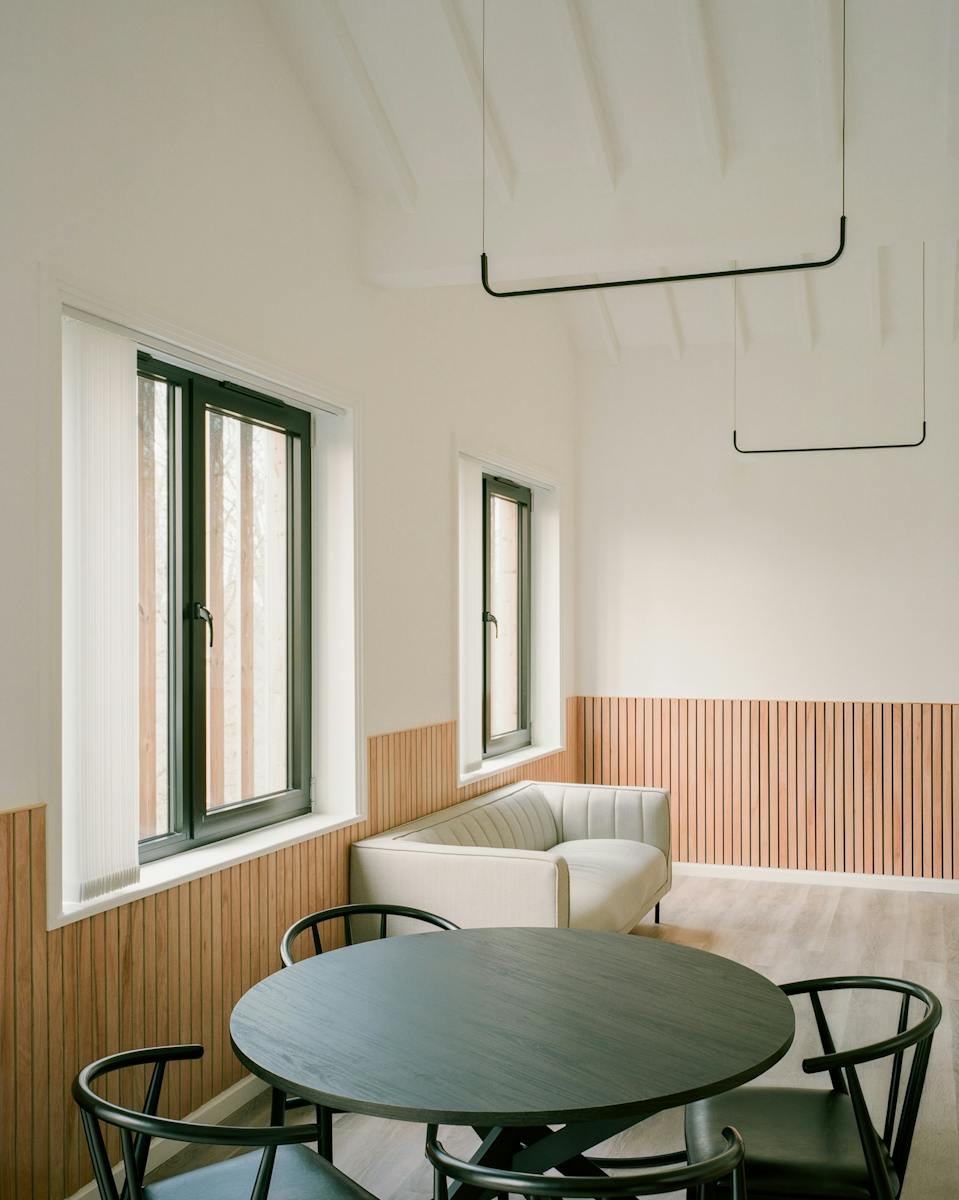
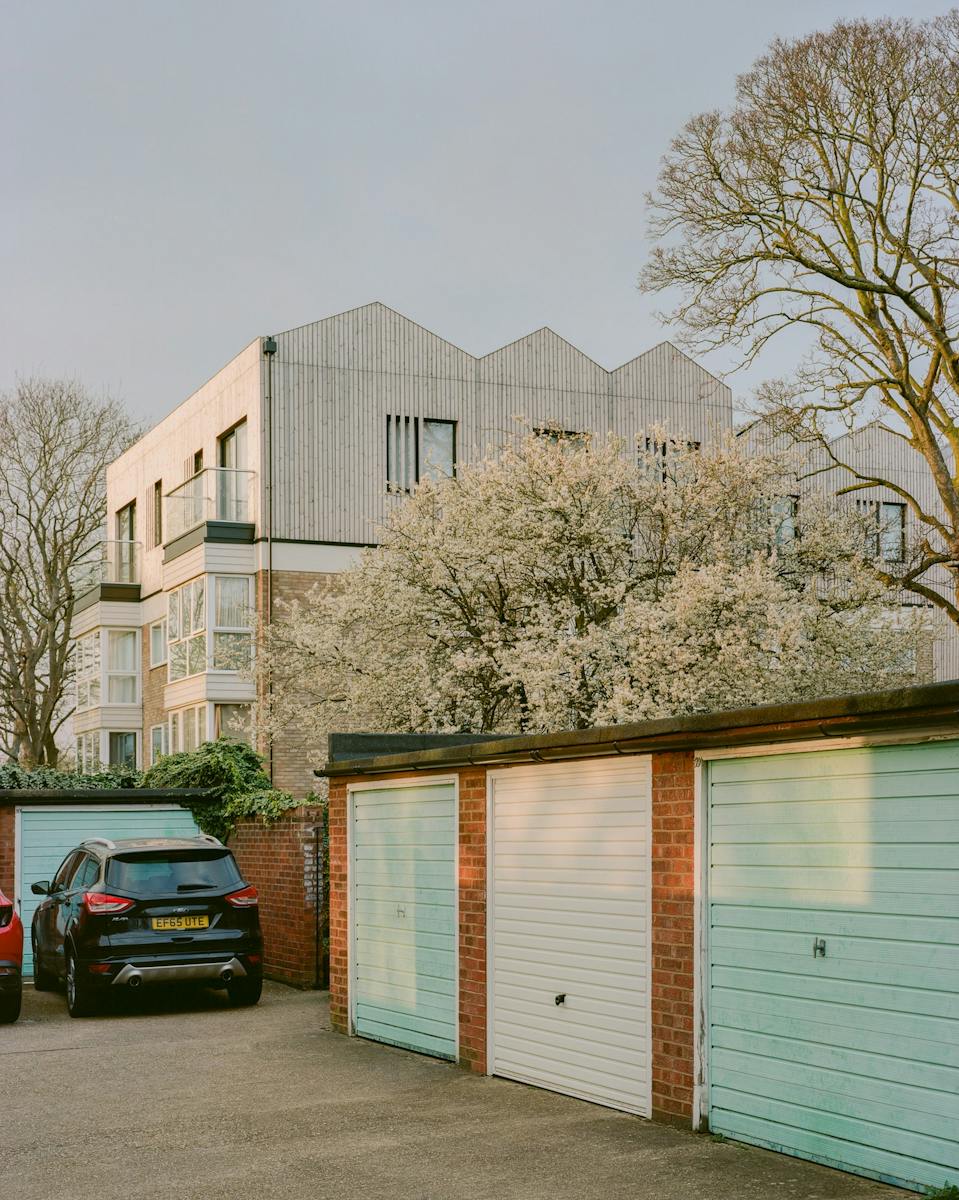
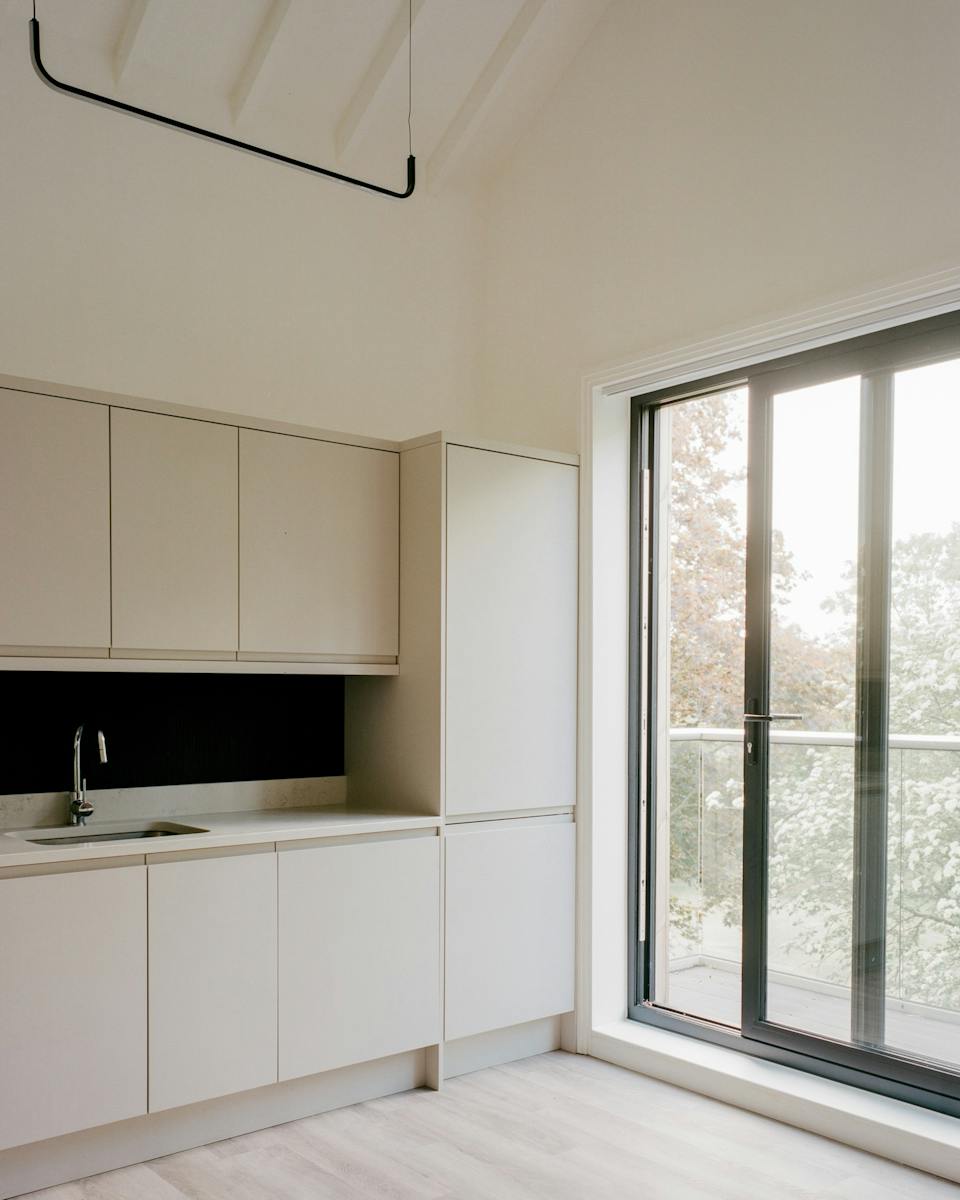
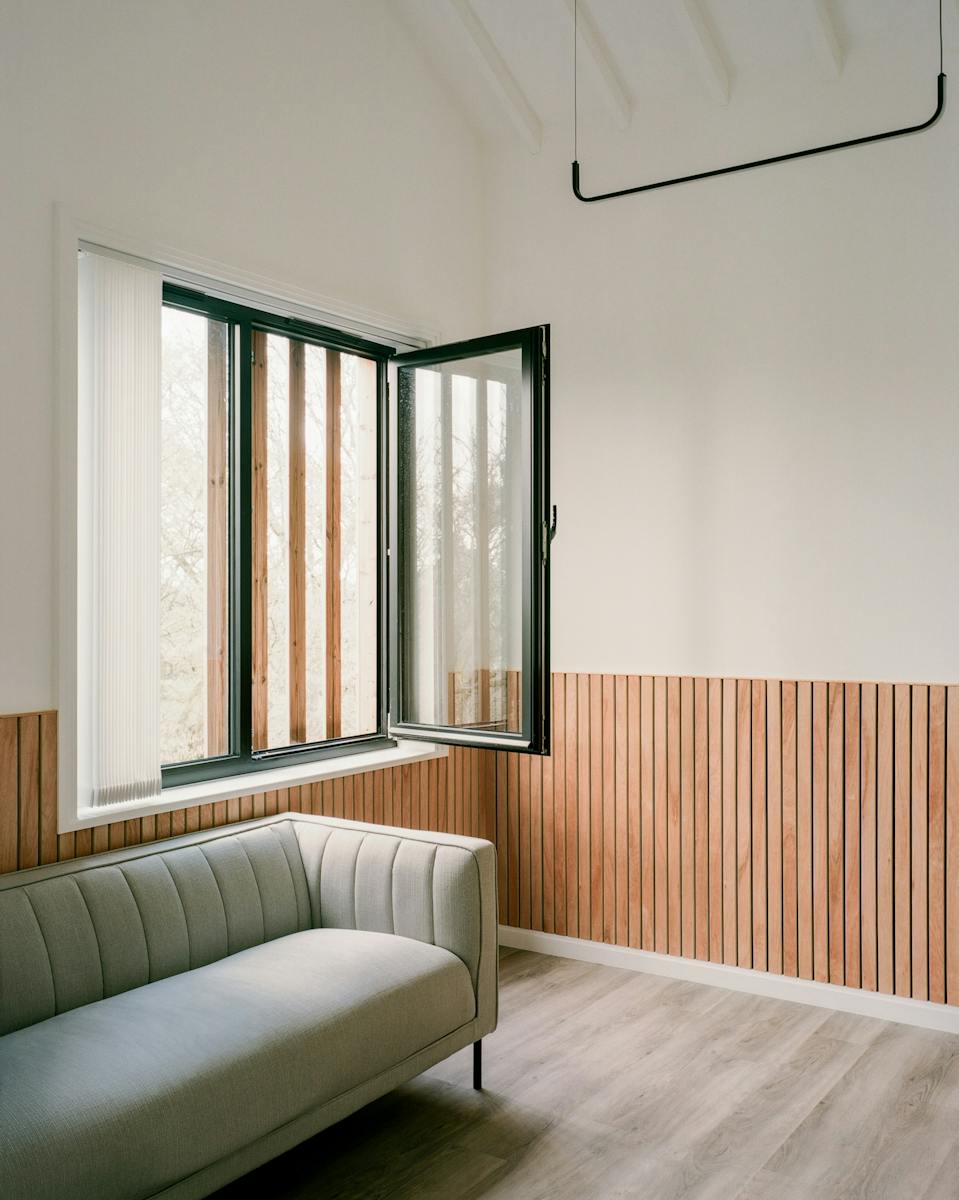
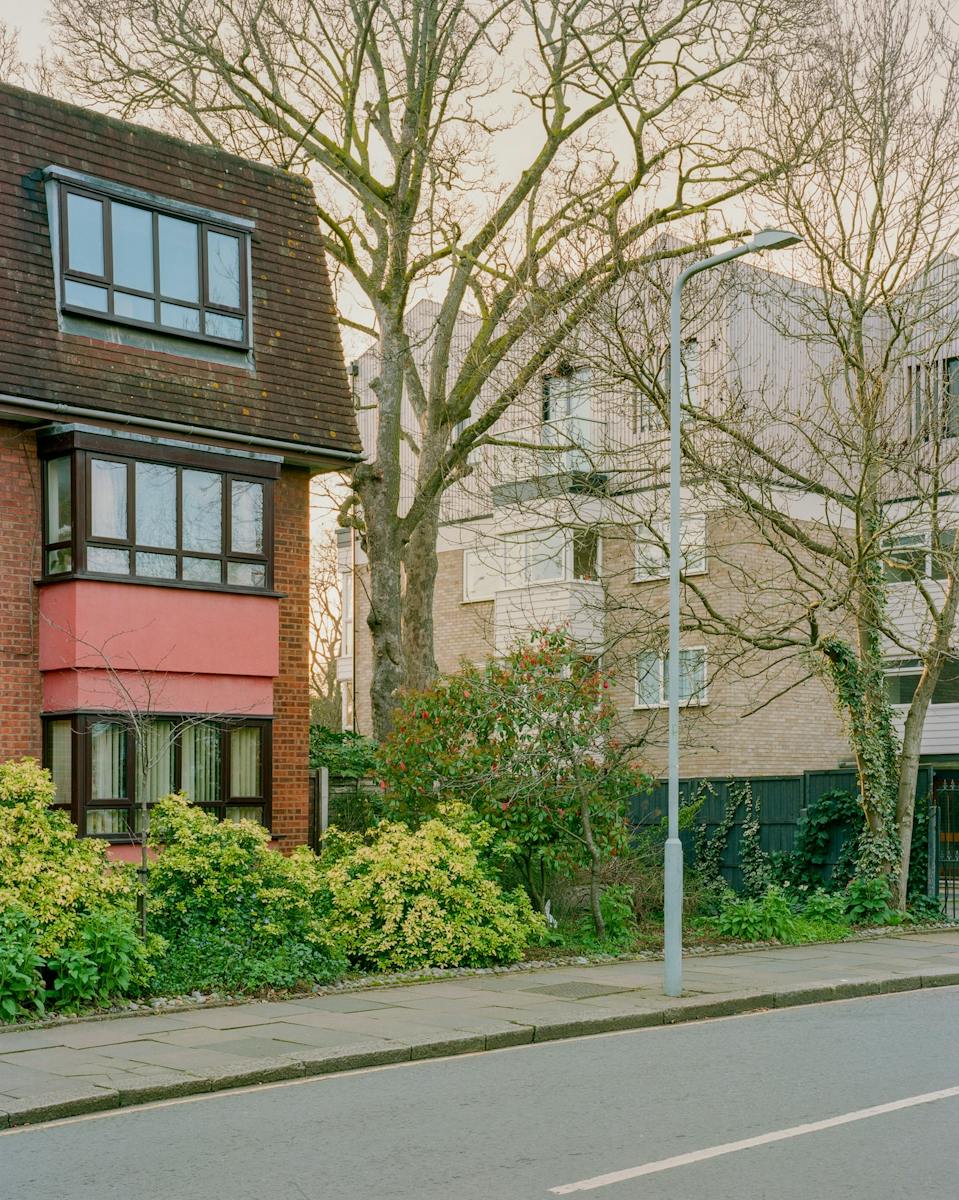
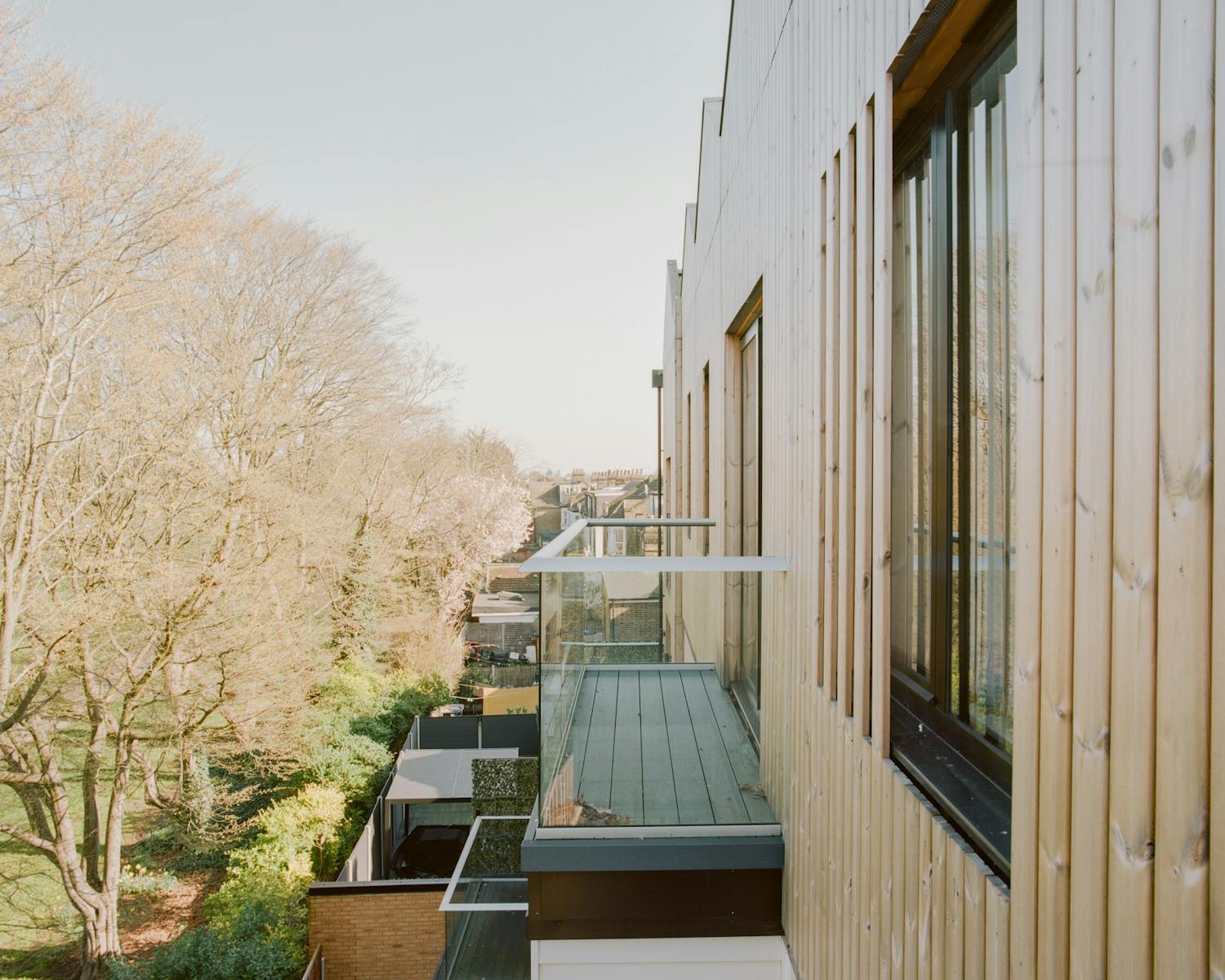
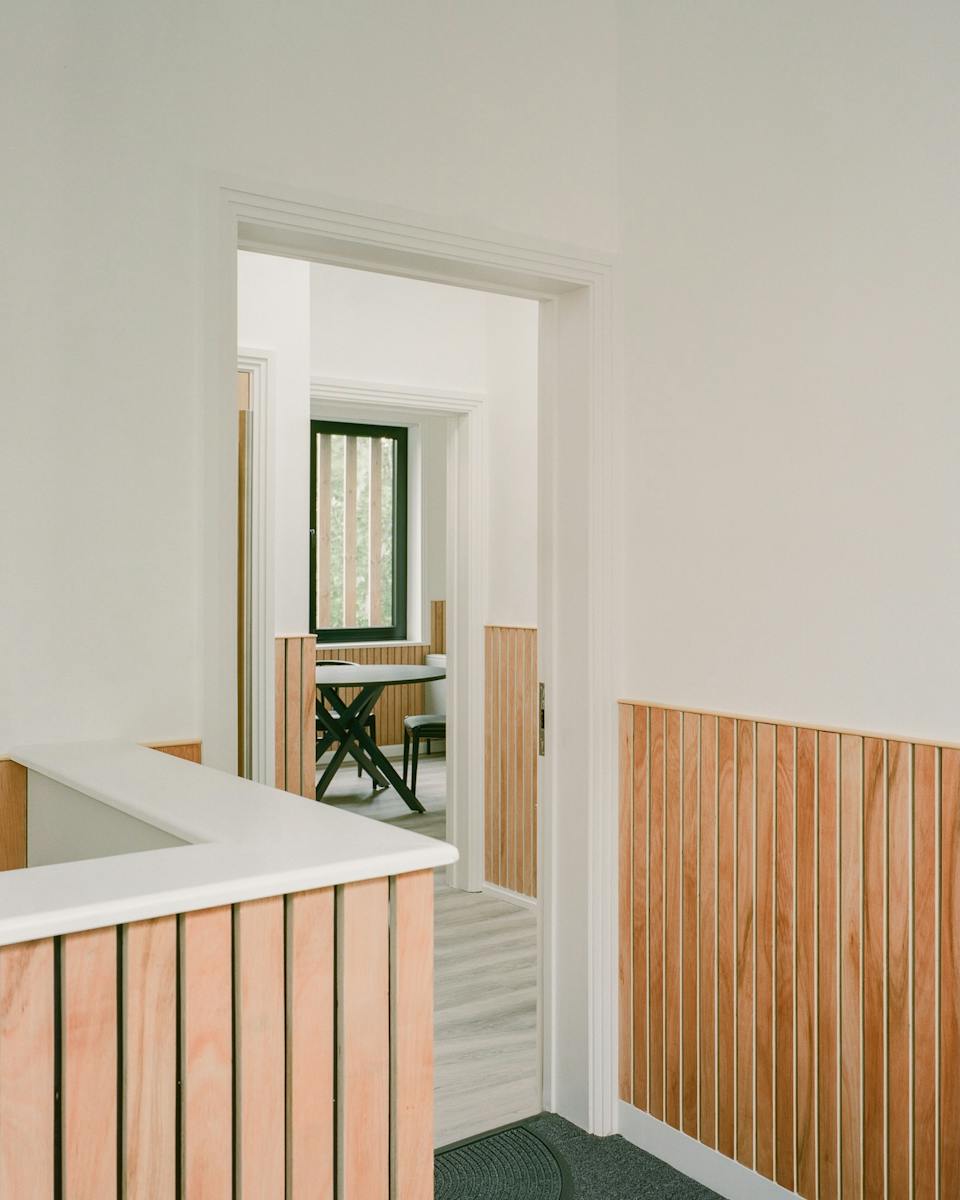
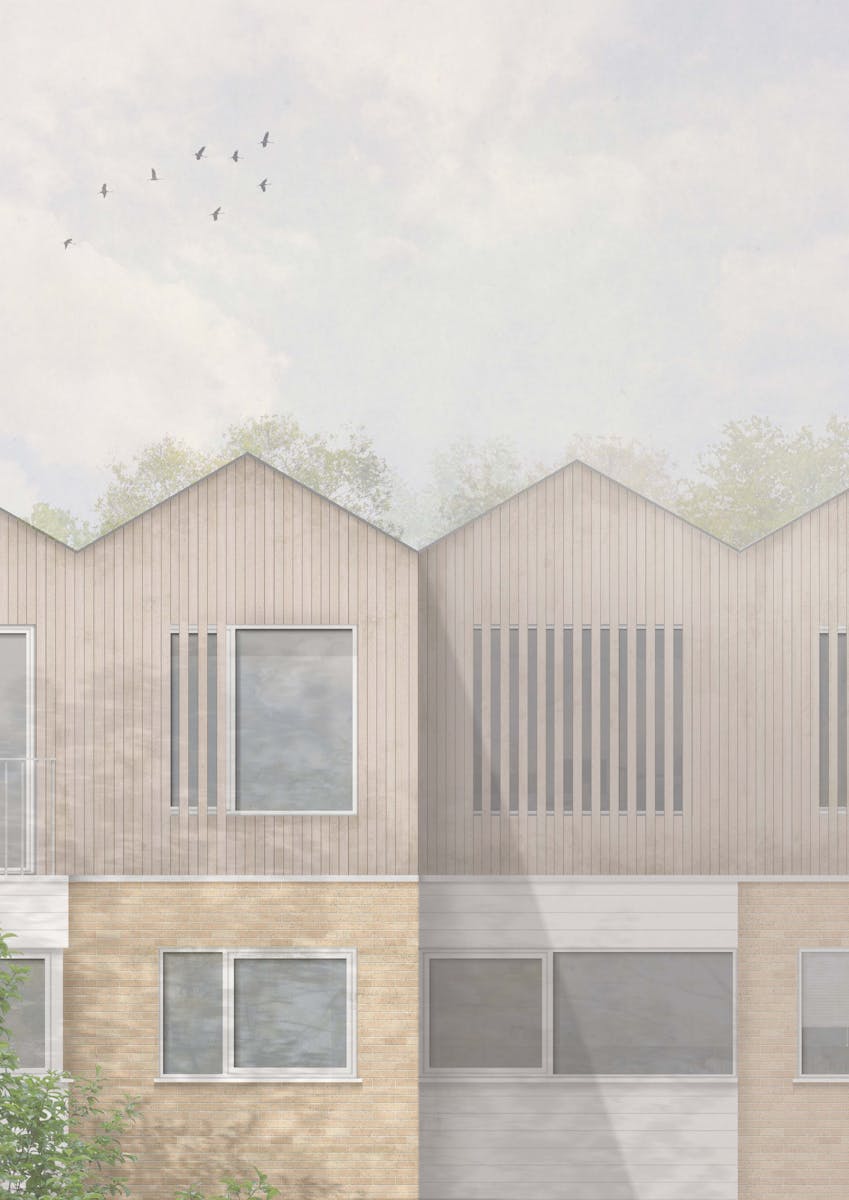
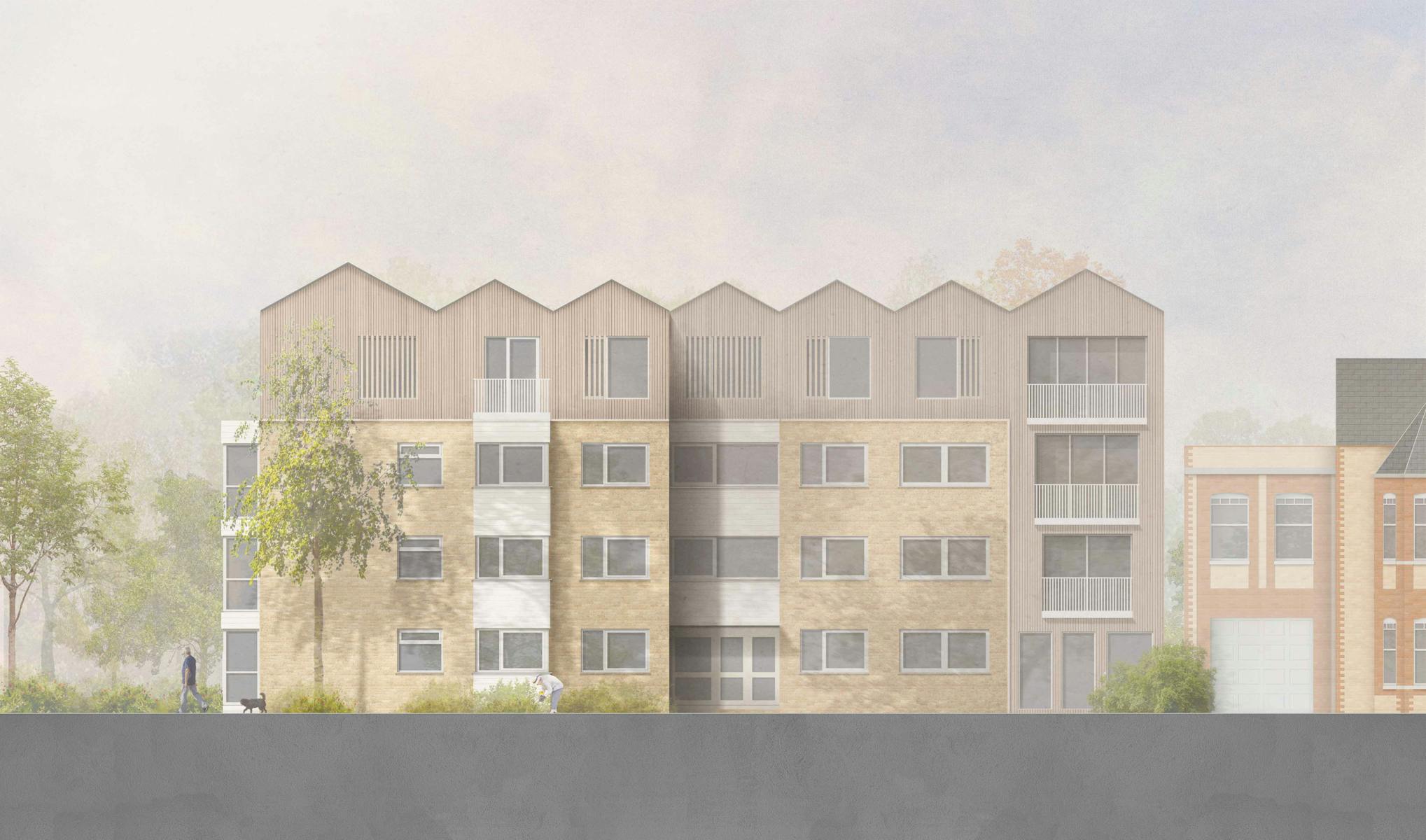
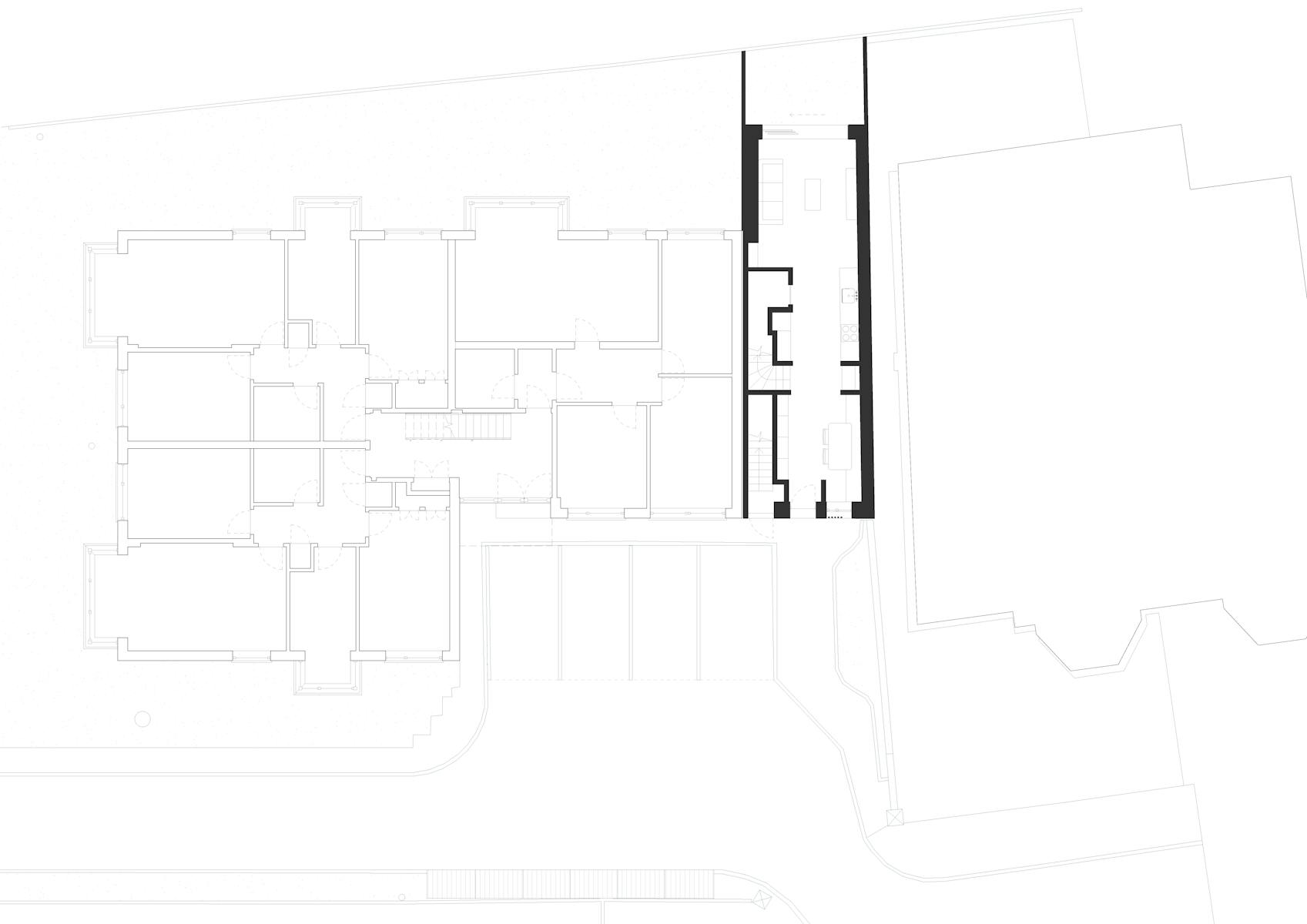
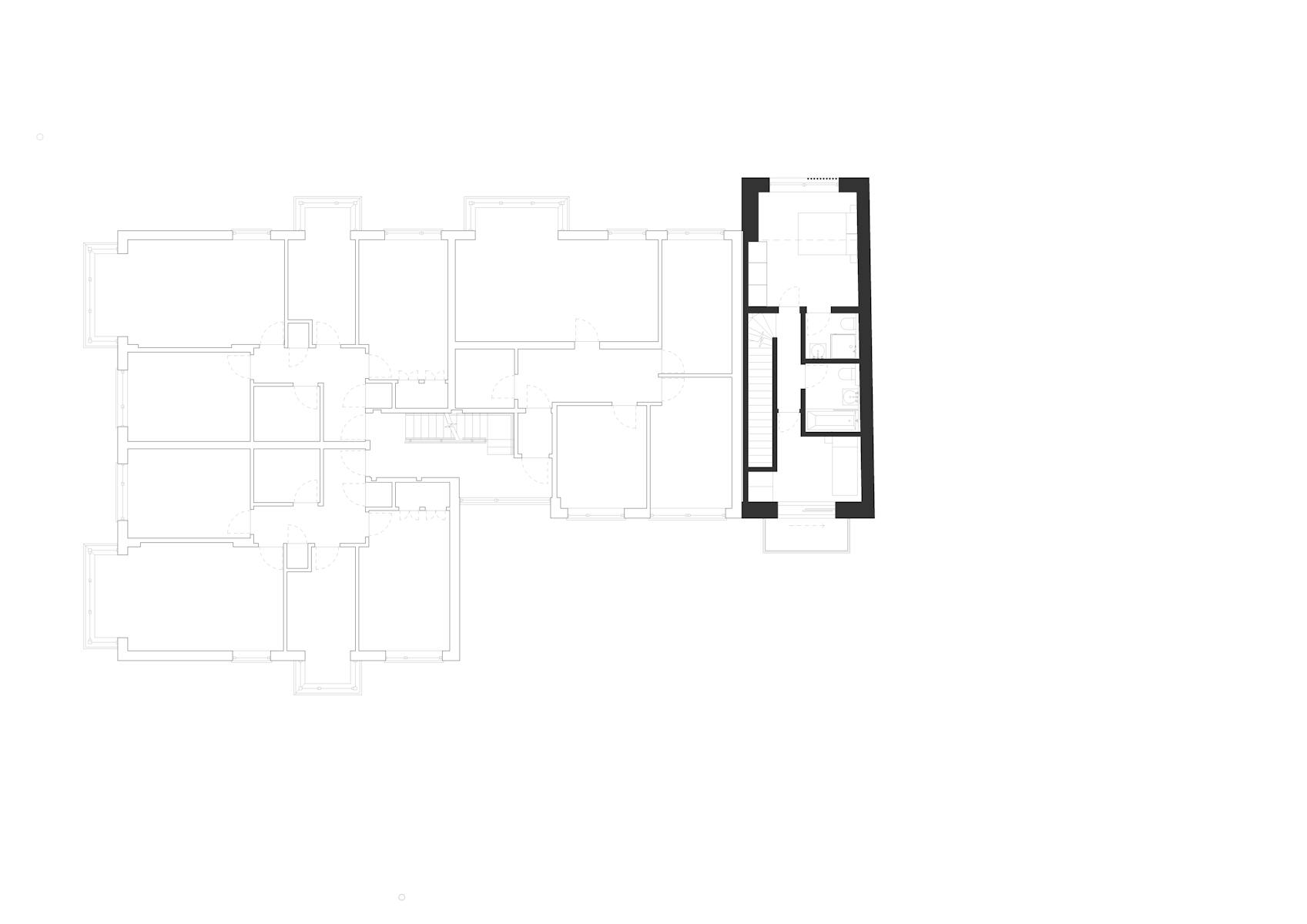
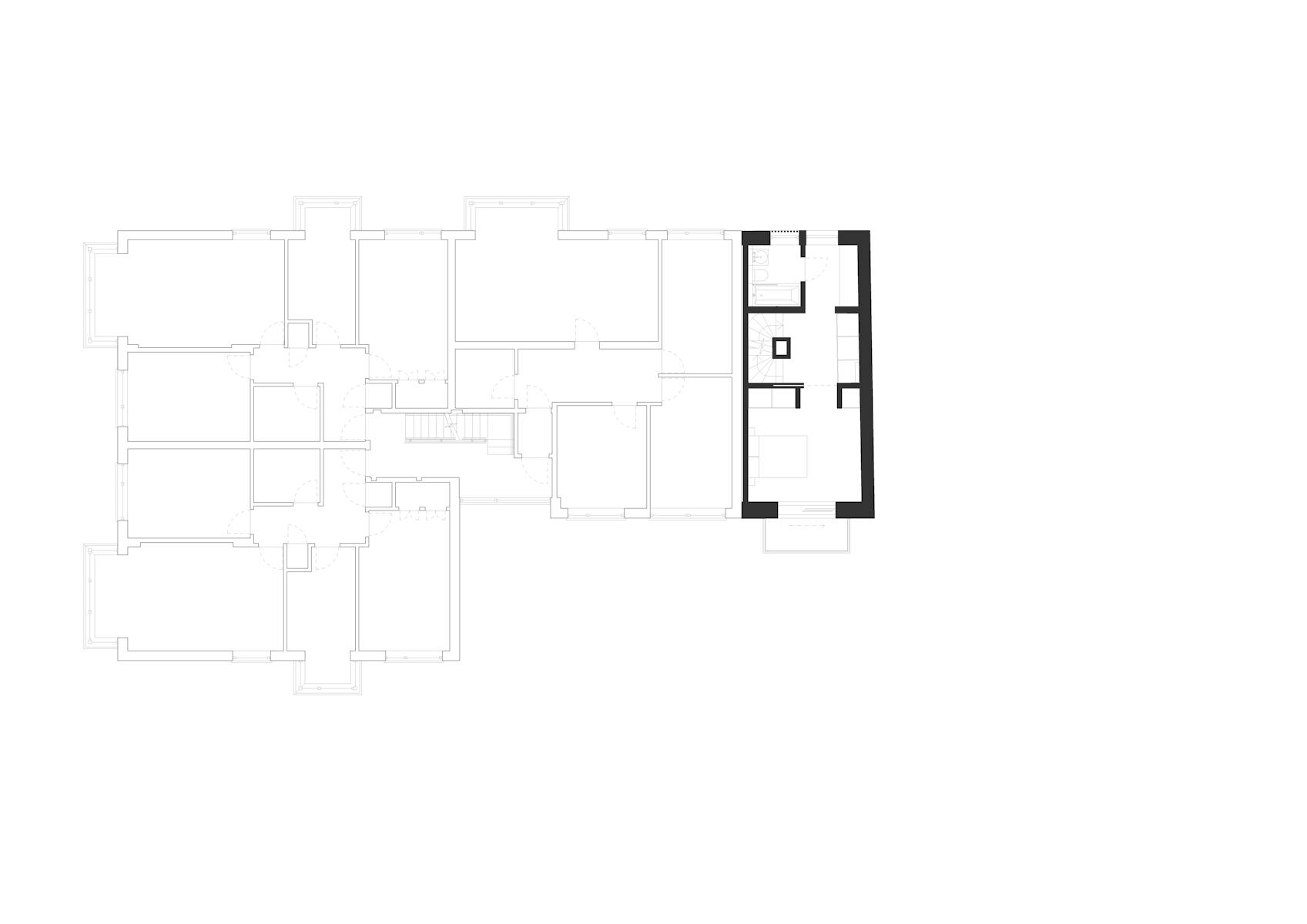
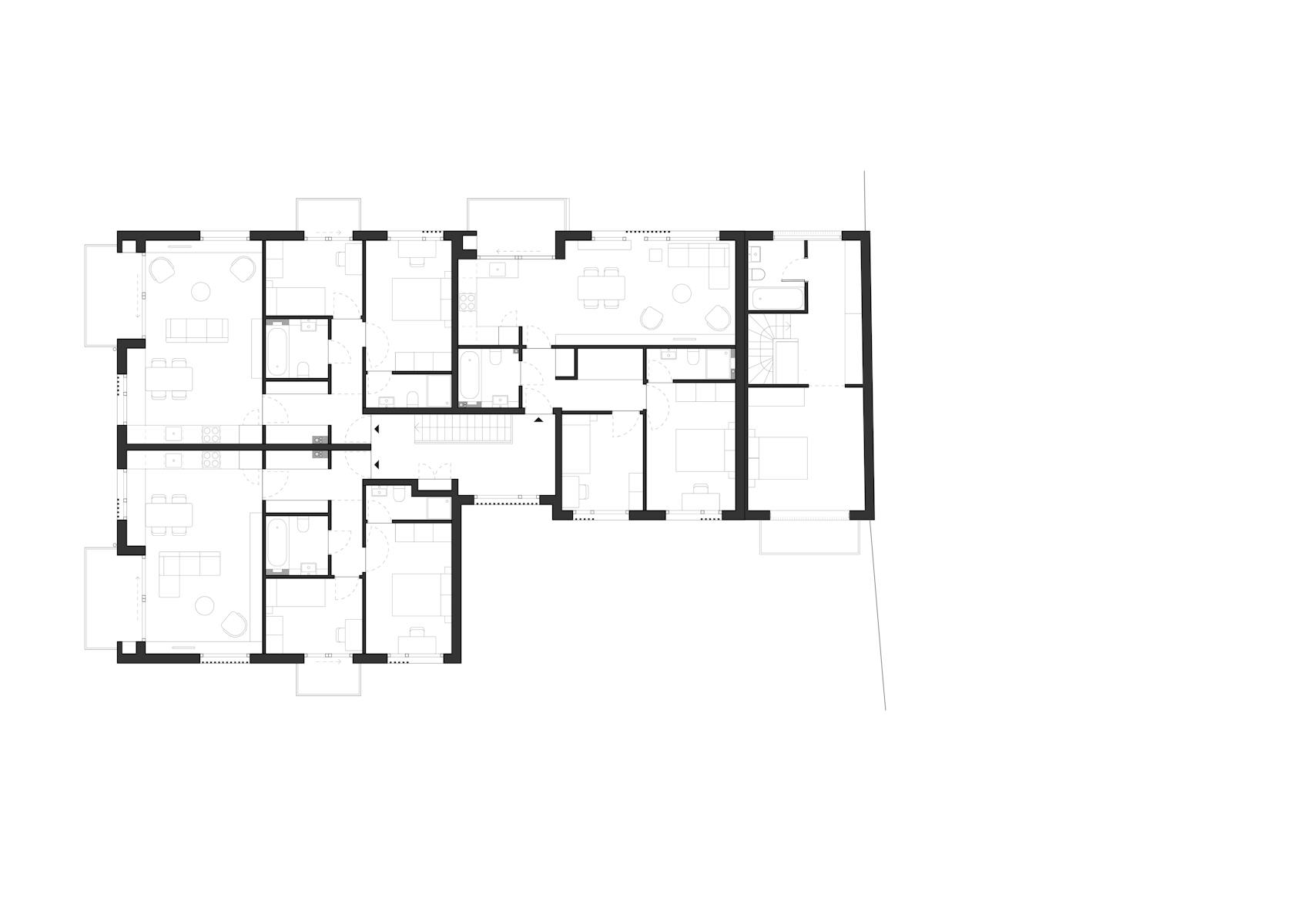
The project is for five flats split between a lateral airspace development of three flats with a four storey side infill development of two duplex flats unified with vertical timber cladding throughout. Both the top floor development and the side infill wrap around the original brick volume. The roof form was informed by the existing structural grid and the local roofscape of Victorian terraces to give interest and character to the building. The ridges and valleys vary in height and depth providing variety with the extensions reading as a ‘crown’ to the building from Valentine’s Park to the north. The timber cladding complements the edge of park setting with surrounding mature trees and seasonal dappled light.
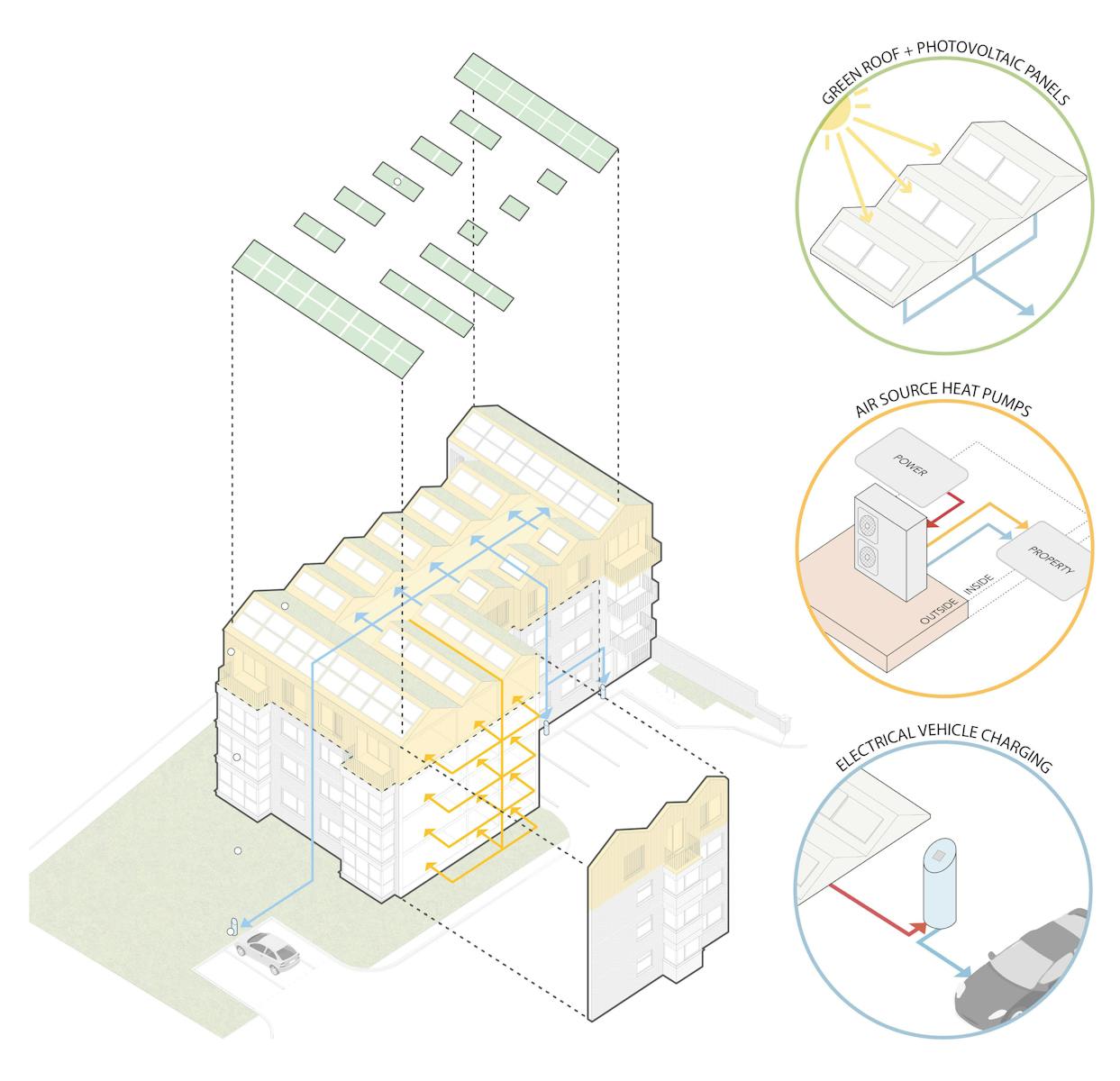
The building is designed in collaboration with structural and services engineers Webb Yates / Allan Goldstein. It has a high-performing thermal envelope with excellent air-tightness, photovoltaic panels and mechanical ventilation with heat recovery (MVHR) all limiting energy demand from the grid. We focused on renewable materials - timber was used for the air-space structure, external cladding and sheathing insulation. For the side infill of two duplex flats, the structural system selected was extruded interlocking porotherm clay blocks which use very little material providing excellent efficiency.
Projects such as this, where there is a collective drive to make a difference, can accelerate our transition to a more sustainable future. The additions are driven by the context and site specific constraints - what the existing structure can support and the need for construction to take place while the flats below are in occupation. Although often challenging, urban infill projects help create higher density in the right places - walking distance to transport hubs with plentiful nearby green spaces and amenities.